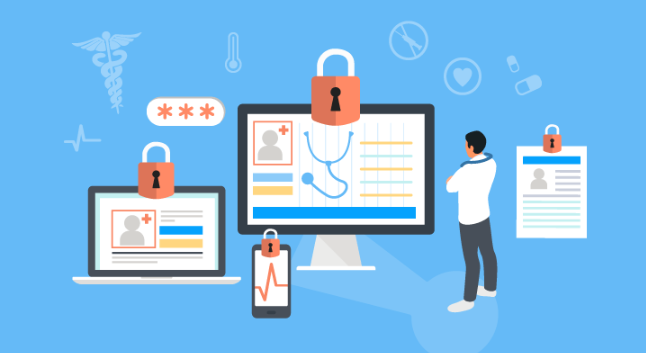
Health data privacy has emerged as a critical issue in the digital age. As individuals increasingly share sensitive information on health platforms, the risk of data breaches escalates. Common threats like phishing attacks can compromise personal data, raising concerns about security and consent. Legal frameworks are adapting, yet public awareness remains insufficient. Understanding these dynamics is essential. What measures can individuals take to protect their health information in this evolving landscape?
Understanding Health Data Privacy
As individuals increasingly rely on digital health platforms, understanding health data privacy becomes paramount.
Health data ethics dictate that patient consent must be clearly obtained, ensuring individuals control their personal information. This ethical framework not only safeguards privacy but also empowers patients, fostering trust in digital systems.
An informed public can navigate these complexities, advocating for their rights while benefiting from technological advancements in healthcare.
Common Threats to Personal Health Information
While digital health platforms offer convenience and improved access to medical care, they also expose personal health information to various threats.
Data breaches are increasingly common, allowing unauthorized access to sensitive health records.
Additionally, phishing attacks employ deceptive tactics to harvest individuals’ credentials, further compromising data security.
Awareness of these threats is crucial for safeguarding personal health information in a digital age.
Legal Frameworks and Regulations
Although various legal frameworks and regulations exist to protect personal health information, their effectiveness largely depends on enforcement and public awareness.
Recent legislation updates aim to enhance privacy protections; however, compliance challenges persist, often leaving gaps in safeguarding data.
The interplay between evolving laws and individual rights underscores the need for ongoing vigilance to ensure that personal health information remains secure in an increasingly digital landscape.
See also: Green Technology Innovations
Best Practices for Protecting Your Health Data
To effectively safeguard personal health data, individuals must adopt a proactive approach that encompasses a variety of best practices.
Implementing data encryption ensures that sensitive information remains unreadable to unauthorized parties.
Additionally, secure sharing methods should be utilized when exchanging health data, minimizing the risk of breaches.
Awareness and education about these strategies empower individuals to maintain control over their personal health information.
Conclusion
In conclusion, addressing health data privacy concerns necessitates vigilance, education, and proactive measures. Individuals must understand the nature of threats, comply with evolving legal frameworks, and implement best practices for data protection. By fostering awareness, promoting informed consent, and encouraging active participation in safeguarding personal health information, stakeholders can cultivate a secure environment. Only through collective responsibility, informed engagement, and continuous adaptation can trust in digital health systems be strengthened and the integrity of sensitive data be preserved.